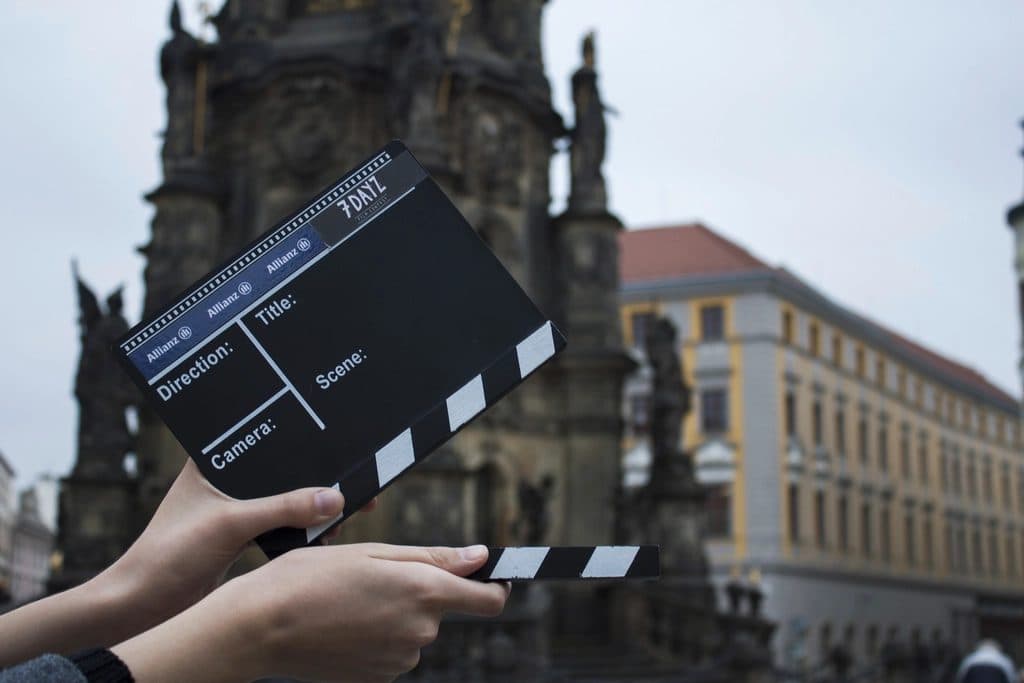
What a long take does to us
When the camera doesn't cut, the audience doesn't breathe either. The technique that turns time into tension.
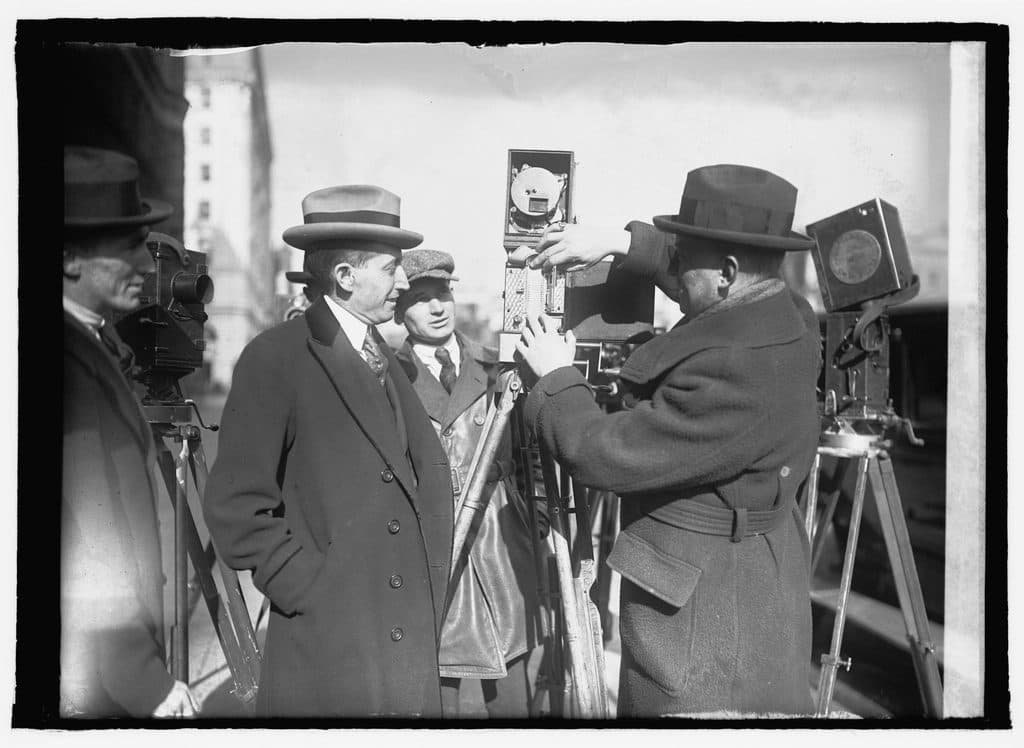
A long take is a lengthy scene filmed without cuts. The viewer's eye stays locked to the camera, without the pauses editing usually offers. The effect is physical: we feel time passing along with the characters.
Three ways to do it
- The hidden cut: in Rope, from 1948, Alfred Hitchcock disguised reel changes by moving the camera across backs and dark objects.
- The real take: Russian Ark, from 2002, was shot in a single go, in a museum, with no cuts at all.
- The digital illusion: 1917, from 2019, was planned to look continuous, with seams hidden in the movement.
Why it works
Without cuts, there are no shortcuts. The viewer can't skip the walk or the silence. Tension builds because nothing interrupts what is happening. In action scenes, the lack of cuts also proves the danger is real within the scene.
A cut is a relief the film offers. A long take is the decision not to offer it.
Next time a scene feels suffocating, notice: maybe the camera simply never blinked.