Trump waives tariffs in the new Russia law, including the 100% duty on buyers of Russian oil
An order published by the White House on Friday, October 16, uses a waiver built into the law; the duty on the biggest buyers would have applied to purchases from Sunday, October 18.
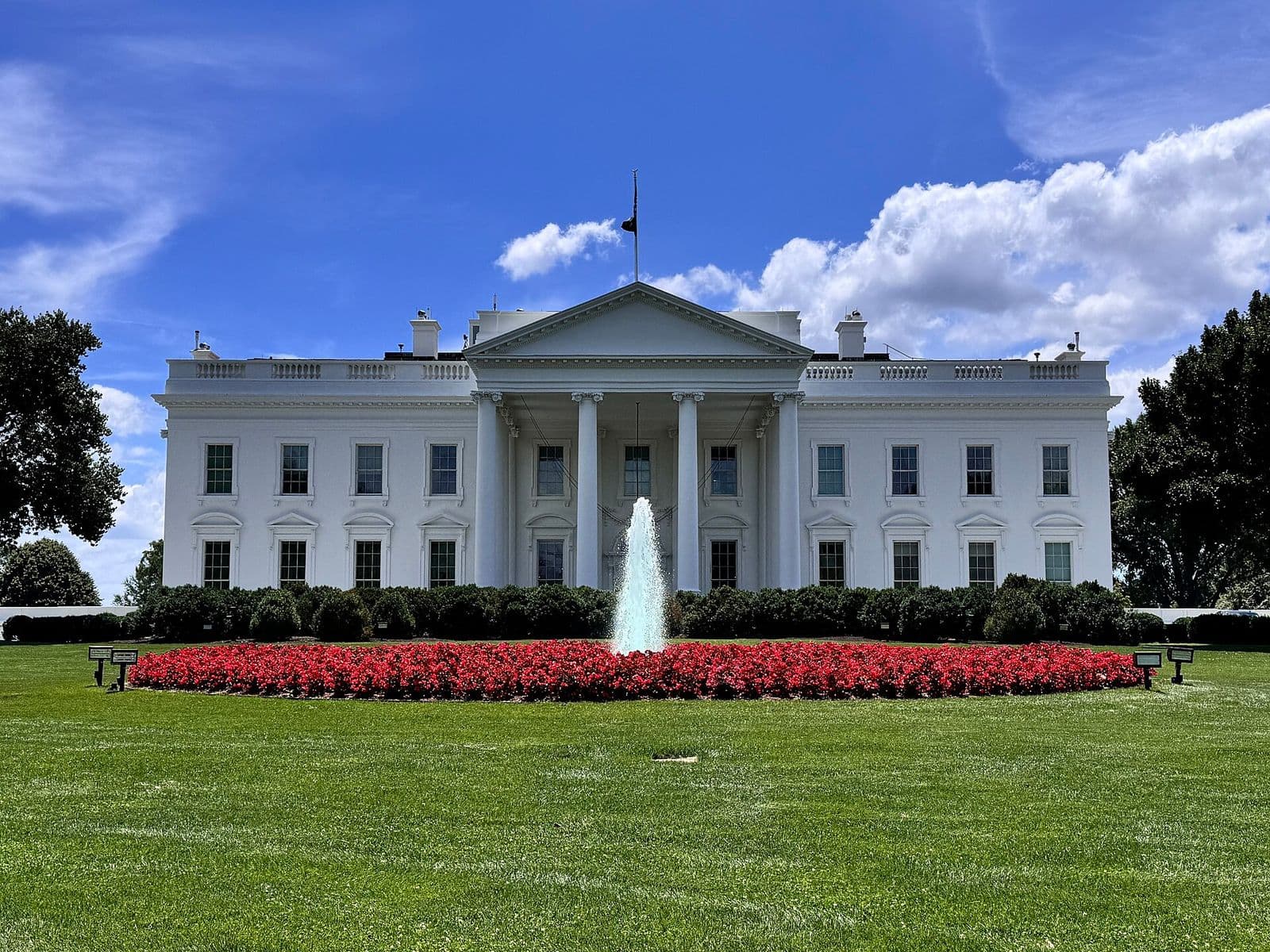
Foto: DJTechYT / Wikimedia Commons (CC BY-SA 4.0). Fachada norte da Casa Branca, em junho de 2024
US President Donald Trump on Friday, October 16, waived the tariffs and most of the sanctions in the Graham Act, the law Congress passed to tighten economic pressure on Russia. The order, published on the White House website, relies on a section of the law itself that lets the president waive the penalties if he certifies to Congress that doing so is in the “national interests” of the United States. Trump states in the order that he has already sent that certification.
What the law called for
- A 500% increase in the duty on goods from Russia.
- A 100% increase in the duty on goods from the five largest importers of Russian crude oil and natural gas, if they made new purchases on or after October 18, 2026.
- A 100% increase in the duty on goods from the top five facilitators of Russian oil sanctions evasion.
- Sanctions and financial and trade restrictions on people and companies tied to the Russian government.
The order sets out those rules on paper and, in the same text, waives all the duties and nearly all the sanctions. The waivers stay in place until the president or the secretary of state decides further action is needed. The order does not name the five largest buyers, and the US Trade Representative remains in charge of monitoring who buys Russian oil and gas and recommending further steps.
What still applies
Sanctions the US already had on Russia before the law, created by executive orders, are unchanged. Trump signed the Graham Act on September 18, 2026.
Why it matters for your wallet
The duty on buyers of Russian oil and gas was the part most likely to shake world trade: the largest buyers would have seen their exports to the US become far more expensive overnight, at a time of costly energy. According to Spain's Expansión, citing the EFE news agency, Washington has also authorized trade in Russian-origin diesel until April 7, 2027, including imports into the US, after Trump announced on October 9 a deal with Russian President Vladimir Putin to supply the fuel. The administration says the goal is to contain energy prices; lawmakers from both parties have criticized the deal, warning that fuel sales could help fund the war in Ukraine.